
Quick answer: Wondering how to choose your signature perfume? Begin with the scent families you already enjoy, try a small selection on your skin, and give each fragrance time to develop. Then wear your favourites during an ordinary day. Your best signature scent is the one you enjoy from the first spray to the final dry-down—not necessarily the most expensive or most talked-about bottle.
Choosing perfume can feel surprisingly personal. One fragrance reminds you of a favourite place; another makes you feel ready for an important meeting. Then there are those beautiful bottles that smell wonderful in a store but somehow do not feel right once you get home. If you have experienced that, you are not alone. A little patience and a clear approach make fragrance shopping much easier.
This guide shares practical ways to discover your taste, understand perfume notes, test different options, and choose a scent you will be happy to reach for again and again.
What Is a Signature Perfume?
A signature perfume is a fragrance that feels like a natural part of your style. It can become familiar to people around you, but its first job is to make you feel comfortable. For some people it is a clean, fresh everyday scent. Others love a soft floral perfume or a deeper woody blend. There is no official rule, and your choice does not have to fit a gender label.
You can also have more than one signature scent: perhaps a light fragrance for work and something warmer for evenings. Think of your perfume wardrobe like your clothes. You probably have a favourite outfit, but you do not wear it for every occasion.
1. Find the Fragrance Family You Naturally Enjoy
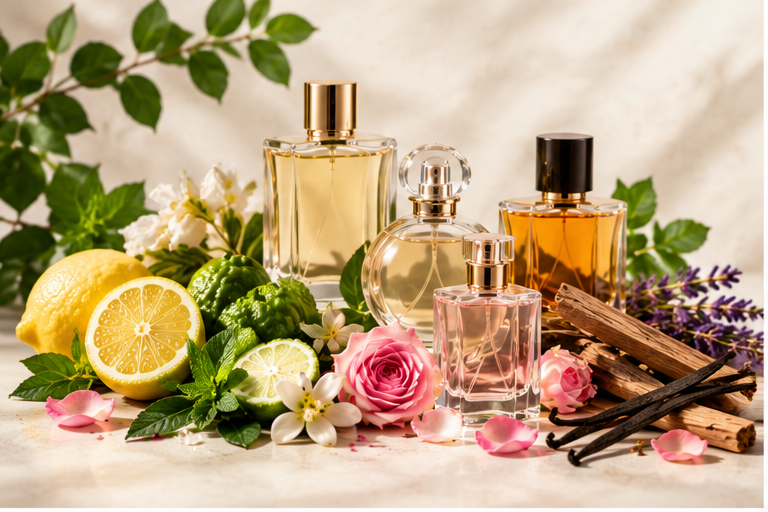
Before reading dozens of product descriptions, ask yourself which everyday smells you love. Freshly peeled oranges? A bouquet of flowers? Clean green leaves? Warm vanilla? Your answers are useful clues.
- Fresh and citrus: lemon, bergamot, grapefruit and green accents may feel lively, airy or clean.
- Floral: rose, jasmine and orange blossom range from delicate to expressive, depending on the blend.
- Woody: cedar, sandalwood, vetiver and oud-inspired accords can feel grounded, smooth or rich.
- Amber and gourmand: vanilla, resinous warmth and dessert-like touches often feel cosy or inviting.
- Aromatic and spicy: lavender, herbs, cardamom and pepper-like impressions can add freshness, texture or warmth.
These are descriptions, not boxes that limit you. A well-made perfume may combine citrus, flowers and woods beautifully. Instead of searching for the “best perfume for everyone,” start by selecting two families that sound appealing. That gives your search a clear direction without making it feel like homework.
2. Understand What Happens After the First Spray
A perfume is not always the same from morning to evening. Fragrance notes are often described in three overlapping layers. Top notes create the opening impression. Heart notes help define its main personality. Base notes contribute depth to the later stages. The fragrance pyramid is a helpful guide, not an exact clock: these impressions can overlap and behave differently across formulas.
Imagine trying a perfume that first smells of bright bergamot, then feels gently floral, and eventually settles into a soft woody warmth. If you only judge the opening, you miss much of its character. Our easy guide to top, heart and base notes explains these layers in more detail.
A useful tip: when you read a product’s note list, focus on the overall direction rather than expecting to smell every named note separately. A listed note can describe a scent impression rather than a single literal ingredient.
3. Test Perfume Before You Commit

A store tester strip is a good beginning, especially if you have several options. Spray a small amount onto a labelled blotter and give it a moment before smelling. Avoid comparing ten strong perfumes in a row; your impressions can become confusing.
When two scents stand out, try them separately on clean skin. Follow the product directions, use a modest amount, and avoid applying to irritated skin. If fragrance products cause you sensitivity, check the label and avoid ingredients you know you react to.
Try the simple three-check method
- First impression: What do you notice shortly after applying it? Fresh, sweet, floral, spicy or woody?
- After it settles: Does the centre of the fragrance still feel pleasant and comfortable?
- Later in the day: Do you enjoy the dry-down, or are you only in love with the opening?
Try your favourite again on another day before buying a full bottle. Lighting, mood and surroundings can shape how you experience a scent. A second wear test can tell you far more than a rushed decision at the counter.
4. Match Your Scent to Your Everyday Life
To learn how to choose your signature perfume, picture an ordinary Tuesday—not just a party or special event. Will you wear it to the office, university, a family gathering or while running errands? A fragrance that suits your routine is more likely to become a genuine favourite.
Some people like fresh or understated scents in shared daytime spaces and choose richer fragrances for evenings. In warmer weather, you might prefer a lighter application, especially in close environments. There are no universal rules: personal comfort, the particular formula and the preferences of people sharing your space all matter.
Think about how much scent you want others to notice. A perfume can be enjoyable without filling an entire room. If you are shopping for a daily signature, choose something you would happily smell on yourself for hours, not something you think will impress strangers for a few minutes.
5. Compare Your Finalists Without Getting Overwhelmed
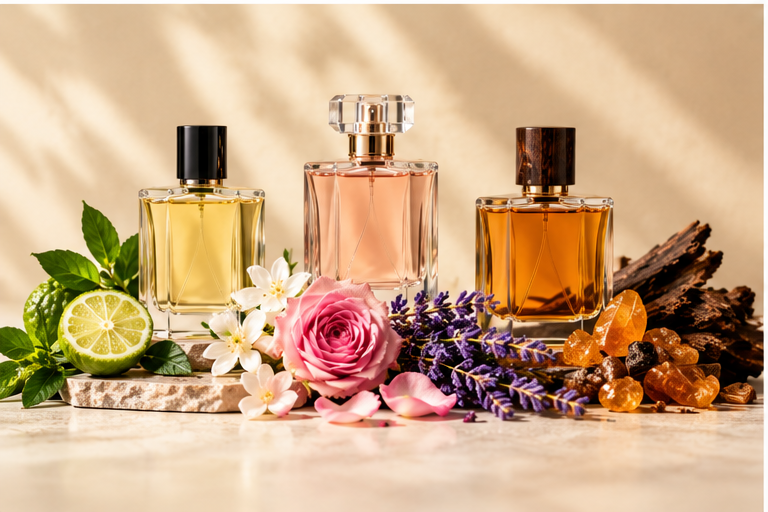
Once you know the direction you like, narrow your list to two or three perfumes. Testing everything at once makes it harder to remember which is which. Use a quick note in your phone with the fragrance name and three honest observations.
| Question | What to note |
|---|---|
| Do I enjoy the opening? | Fresh, soft, bold, sweet or something else? |
| Do I like the dry-down? | Would I enjoy wearing it for the rest of my day? |
| Does it suit my routine? | Comfortable for work, home and outings? |
| Would I buy it again? | Genuine favourite or just a passing trend? |
Ask yourself which bottle you would pick if nobody could see its label or price. That question can help separate your own taste from the excitement of branding, packaging and online hype.
6. Think About Comfort, Strength and Longevity
It is tempting to judge a perfume only by how long it lasts. But strength, how far a scent travels, and longevity are different parts of the experience. A subtle composition may be perfect for your lifestyle even if you occasionally refresh it. A stronger fragrance is not automatically a better one.
Factors such as the full formulation, the amount applied, clothing, skin and the environment can influence what you notice. A note described as “base” is not a promise of a particular number of hours. When you test a candidate, pay attention to how it feels throughout your own day rather than relying on a single performance claim.
For product safety and fragrance-industry background, the International Fragrance Association’s explanation of its standards offers useful context on how certain fragrance materials are assessed and controlled. Always follow the perfume’s own usage instructions.
7. Choose Quality and Value, Not Just a Famous Name
Your signature perfume does not need the biggest price tag. Set a comfortable budget before shopping. A sample or smaller bottle, when available, can be a sensible way to live with a fragrance before spending more. Check the product size and information, then consider how often you actually expect to wear it.
Also notice practical details: is the bottle easy to use, is the scent suited to the moments you want it for, and do you enjoy the experience enough to reach for it regularly? Buying perfume should feel exciting, not pressured. If you are undecided between two options, there is no harm in taking more time.
Your Simple Signature Perfume Checklist
Before you decide, run through this short checklist. It turns a lovely first impression into a more confident purchase.
- I can describe the fragrance families I enjoy.
- I have tested a shortlist rather than choosing only from advertising.
- I like the opening, the heart and the later dry-down.
- I have worn my favourite on skin during a normal day.
- It feels comfortable for my routine and surroundings.
- The bottle and price make sense for my budget.
- I want to wear it again because I enjoy it.
If most of these answers are yes, you may have found a strong contender. If not, keep exploring. There is no deadline for discovering your personal scent.
Frequently Asked Questions
How do I choose my first signature perfume?
Start with one or two scent families you like, compare a few samples and test your favourites on skin over more than one wear. A versatile everyday scent can be a practical starting point.
Can I have two signature perfumes?
Absolutely. You might love a lighter daytime fragrance and a deeper evening option. Both can express different parts of your style.
Should I buy a perfume based on its top notes?
Not alone. Give the heart and base time to emerge. You should enjoy the whole experience, not just the first spray.
Does a signature perfume have to be expensive?
No. Your comfort, preferences and budget matter more than a famous name or dramatic price tag.
What if I love oud but want something suitable for daily wear?
Look for a balanced woody or oud-inspired blend and test a modest application. Read our guide to oud in modern perfumery to explore its many interpretations.
Can the same scent smell different on another person?
Yes. Individual wearing conditions and perception can change the experience. Trust how the fragrance develops for you.
Find Your Signature Scent with AZIZ AURA
Learning how to choose your signature perfume is really about noticing what makes you feel at home in a fragrance. Take your time, enjoy the discovery and choose a scent you want to wear on ordinary days as much as special ones.
Ready to explore? Browse the AZIZ AURA perfume collection, read the scent descriptions and shortlist the styles that speak to you. Whether you lean towards fresh elegance, floral softness or warm depth, your next favourite begins with your own taste.